Suspendisse interdum consectetur libero id. Fermentum leo vel orci porta non. Euismod viverra nibh cras pulvinar suspen.
Suspendisse interdum consectetur libero id. Fermentum leo vel orci porta non. Euismod viverra nibh cras pulvinar suspen.


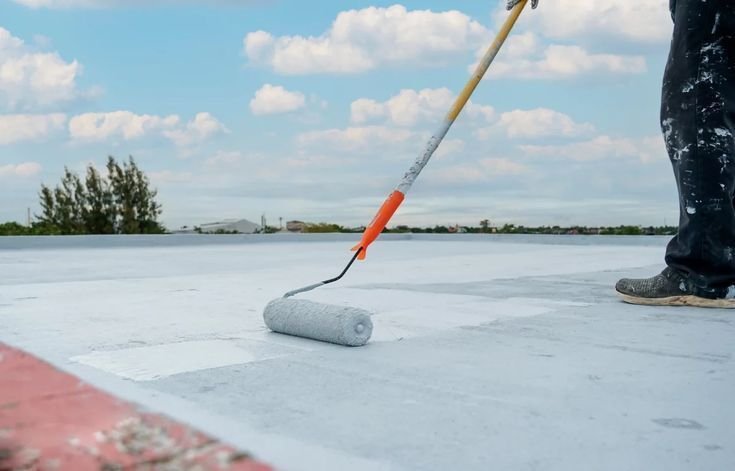
Water is one of the most common causes of deterioration in residential, commercial, industrial, and institutional buildings. Continuous exposure to rainwater, moisture, groundwater, and humidity can lead to leakage, dampness, cracks, peeling paint, damaged plaster, corrosion of reinforcement, and deterioration of concrete. Waterproofing Solutions provide an important protective layer that helps prevent water penetration and protects the building from long-term moisture-related problems.
At Viera Enterprises, we provide professionally planned waterproofing solutions based on the condition of the structure, location of leakage, type of surface, water exposure, and specific project requirements. Our approach focuses on identifying the source of water ingress rather than simply treating visible damp patches. By combining technical knowledge, quality materials, proper surface preparation, and professional application, we aim to provide reliable and durable waterproofing solutions.
Waterproofing is not only about stopping visible leakage. Continuous water penetration can gradually affect different components of a building. Moisture can enter concrete through cracks, joints, porous surfaces, construction gaps, and poorly treated areas. Over time, this may contribute to corrosion, concrete deterioration, damaged finishes, and recurring maintenance problems.
A properly planned waterproofing system helps protect vulnerable surfaces and improves the overall durability and maintenance of the building.
Roofs and terraces are directly exposed to rain, sunlight, temperature variations, and moisture. Cracks, damaged coatings, poor drainage, and deteriorated waterproofing systems can result in water entering the structure. Professional terrace waterproofing helps protect the roof surface and reduce the possibility of leakage reaching internal ceilings and walls.
Basements are vulnerable to groundwater and moisture because they are located below or partially below ground level. Water may enter through walls, floors, construction joints, cracks, or other vulnerable areas. Basement waterproofing focuses on identifying these water-entry points and applying suitable treatment to control water penetration.
Bathrooms and toilets are continuously exposed to water. Improper treatment around floors, corners, pipe penetrations, and wall junctions can cause leakage into adjacent areas or lower floors. Proper wet-area waterproofing helps protect the structure and surrounding finishes from continuous moisture exposure.
Concrete and RCC water tanks require suitable waterproofing to reduce water leakage and protect the surrounding structure. A properly selected waterproofing system can help seal vulnerable areas such as cracks, joints, corners, and other potential leakage points.
External walls are exposed to rainwater and changing weather conditions. Cracks, porous surfaces, damaged plaster, and openings can allow water to enter the building. External wall waterproofing helps improve resistance against rainwater penetration and protects interior areas from dampness.
Joints are among the most vulnerable areas of a structure because they can experience movement and become pathways for water penetration. Suitable joint sealing and waterproofing systems help protect these areas and reduce the possibility of recurring leakage.
Concrete cracks can provide direct pathways for water to enter a structure. Depending on the nature and location of the crack, suitable crack repair and waterproofing techniques can be used to control water penetration and protect the surrounding concrete.
Industrial buildings often have large roofs, concrete structures, basements, utility areas, tanks, and other surfaces exposed to moisture and demanding environmental conditions. Industrial waterproofing solutions are selected according to the specific requirements of the facility and the type of exposure involved.
Some common signs of water-related problems include:
Damp patches on walls or ceilings
Water stains and discoloration
Roof or terrace leakage
Peeling paint
Bubbling or damaged plaster
Persistent moisture or dampness
Water seepage through basement walls
Leakage around bathrooms and toilets
Cracks allowing water penetration
Mold or moisture-related surface growth
Corrosion or exposed reinforcement
Recurring leakage after rainfall
These signs should not be ignored because visible dampness may sometimes indicate a deeper water-entry problem.
Site Inspection:
The first step is to inspect the affected area and understand the visible signs of leakage, dampness, cracks, joints, drainage conditions, and surface deterioration.
Root Cause Identification:
Water can travel through concrete and appear at a location different from the actual entry point. Therefore, identifying the likely source and pathway of water is an important part of planning the treatment.
Surface Preparation:
Dust, loose material, damaged coatings, dirt, oil, and other contaminants are removed as required. Cracks, joints, damaged concrete, and other defects are treated before the waterproofing system is applied.
Selection of Suitable System:
Different areas require different waterproofing methods. The appropriate system is selected based on the substrate, water exposure, movement, location, and project requirements.
Professional Application:
The waterproofing material is applied using suitable tools and techniques, with particular attention to corners, joints, cracks, pipe penetrations, edges, and other vulnerable areas.
Quality Inspection:
After completion, the treated area is inspected for coverage, detailing, finishing, and other relevant quality requirements.
Protection from Water Damage
Waterproofing helps prevent water from entering vulnerable areas and reduces moisture-related deterioration.
Improved Building Durability
By reducing prolonged exposure to water, suitable waterproofing can help protect concrete and other building components.
Reduced Leakage Problems
Properly identifying and treating the source of water ingress can help reduce recurring leakage.
Protection of Interior Finishes
Effective waterproofing helps protect paint, plaster, ceilings, flooring, and other interior finishes from water-related damage.
Lower Maintenance Requirements
Preventing water penetration can help reduce repeated repair and maintenance work associated with leakage and dampness.
Improved Property Condition
A properly waterproofed building can maintain a cleaner, more durable, and better-maintained appearance.
At Viera Enterprises, waterproofing is approached as an engineering and building-protection requirement. Our team focuses on understanding the actual condition of the structure before selecting an appropriate solution.
We provide:
Waterproofing is an important investment in the long-term protection of any building. Whether the problem is related to a leaking terrace, damp basement, bathroom seepage, external wall moisture, water tank leakage, construction joints, or concrete cracks, the correct treatment depends on identifying the actual cause and selecting a suitable waterproofing system.
With its engineering-driven approach, experienced team, quality materials, and professional execution, Viera Enterprises provides comprehensive waterproofing solutions designed to help protect buildings from water penetration and moisture-related deterioration.
From inspection to surface preparation and final application, our focus is on delivering practical, durable, and professionally executed waterproofing solutions for long-term building protection.
Get answers to common questions about our waterproofing services, including terrace waterproofing, bathroom waterproofing, roof leakage solutions, basement waterproofing, and wall dampness treatment. We provide reliable and effective waterproofing solutions to protect your property from water leakage, moisture, and structural damage.
Contact Us Contact Us